Event photography isn’t just about showing up with a camera — it’s about storytelling, timing, and precision. Whether it’s a corporate conference, wedding reception, birthday celebration, fundraiser, or private gathering, every successful event album starts with one thing: a well-planned essential shot list.
In this guide, we’ll walk you through Event Photography 101, breaking down the must-have shots, professional tips, and planning strategies that separate average event coverage from high-impact, publication-worthy photography. If you’re planning an event — or hiring a professional event photographer — this checklist will help you maximize value, avoid missed moments, and ensure flawless results.
Why an Essential Shot List Matters in Event Photography
Events move fast, and many moments happen only once — a keynote speaker’s reaction, a spontaneous laugh, a heartfelt interaction, or a milestone announcement. Once these moments pass, they can’t be recreated. That’s why having a well-planned essential shot list is critical in event photography.
A structured event photography shot list helps photographers capture every key moment without missing important details, even in fast-paced or crowded environments. It ensures brand consistency for commercial events, allowing businesses to maintain a polished, professional visual identity across marketing materials. A clear shot list also supports emotion-driven storytelling, helping photographers document not just what happened, but how it felt.
From a technical standpoint, a defined shot list saves valuable time during post-production, streamlining image selection and editing. Most importantly, it aligns expectations between the client and the photographer, ensuring everyone is on the same page regarding priorities, style, and outcomes.
Professional event photographers don’t rely on guesswork — they rely on experience, preparation, and strategic planning to deliver consistent, high-quality results that truly reflect the event’s purpose and impact.
Pre-Event photography: Setting the Scene
Venue & Location Establishing Shots
Before guests arrive, photographers should capture:
- Exterior venue shots
- Entrance signage
- Architectural highlights
- Wide interior shots
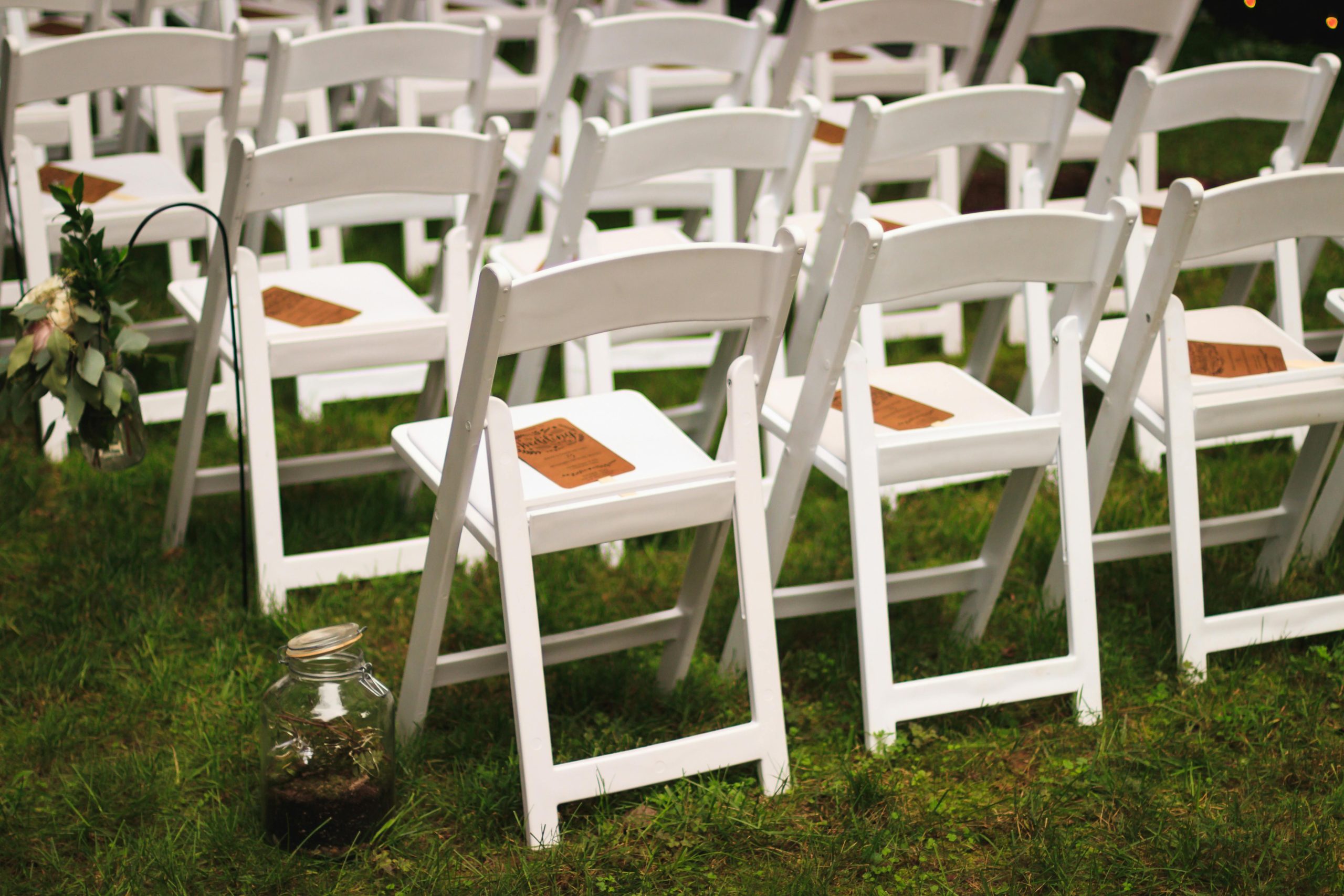
- Decor details
These images help:
- Set the narrative tone
- Showcase the venue professionally
- Create strong opening visuals for albums and marketing
Event photography & Decor Details
Every detail was chosen intentionally — photograph it.
Must-capture elements include:
- Table settings
- Floral arrangements
- Lighting design
- Stage setup
- Backdrops and banners
- Branded materials
These images are crucial for:
- Special Event Photography
- Corporate branding
- Marketing reuse
- Vendor portfolios
Guest Arrival Moments
First impressions matter. Capture:
- Guests arriving
- Greetings and hugs
- Registration or check-in
- VIP arrivals
These candid moments help convey:
- Excitement
- Portrait
- Anticipation
- Social interaction
Crowd & Ambience Shots
Wide-angle crowd shots bring energy to your gallery.
Include:
- Full room perspectives
- Wedding Moments
- Dance floor energy
- Audience reactions
- Natural candid laughter
These images are excellent for:
- Social media marketing
- Event recaps
- Promotional campaigns
Speakers, Hosts & Key Presenters
For corporate events, conferences, and seminars:
- Capture speakers on stage
- Audience engagement
- Panel discussions
- Microphone moments
Pro tip: Shoot from multiple angles to avoid repetitive visuals.
Transactional Insight: Businesses often book professional event photographers specifically for speaker branding and corporate PR assets.
Award Ceremonies & Special Recognitions
Never miss:
- Award handovers
- Certificates
- Trophies
- Applause reactions
- Winner portraits
These images often end up:
- On company websites
- In press releases
- On LinkedIn and professional profiles
Performances & Entertainment
From live bands to DJs to cultural performances:
- Action shots
- Audience reactions
- Close-ups of instruments
- Crowd participation
High-energy shots boost engagement and storytelling.
Candid Interactions
Candid photography is what separates amateurs from professionals.
Look for:
- Laughing guests
- Emotional reactions
- Networking moments
- Natural conversations
These images feel authentic — and authenticity sells.
Group Photos & Posed Shots
While candid shots dominate, posed photos still matter.
Include:
- Group portraits
- Team photos
- Family shots
- VIP groupings
Professional photographers guide posing quickly and naturally to avoid stiffness.
Catering & Food Presentation
Food photography enhances the overall event narrative:
- Buffet spreads
- Plated meals
- Cocktails
- Dessert tables
Great for:
- Catering promotions
- Venue partnerships
- Event recap visuals
Closing Ceremony & Farewells
End your event coverage strong:
- Final speeches
- Thank-you moments
- Guests leaving
- After-party energy
These shots bring closure to the visual story.
Branded & Marketing Shots
For corporate clients, this is gold:
- Logo visibility
- Banner close-ups
- Brand colors
- Sponsored content
These images drive ROI from professional event photography services.
How Hiring a Professional Event Photographer Makes a Difference
Hiring a professional event photographer goes far beyond simply capturing photos — it’s about preserving the experience, energy, and purpose of your event. A skilled professional brings experience, technical expertise, and creative vision to ensure every important moment is documented flawlessly.
A professional event photographer:
- Anticipates key moments before they happen, from emotional reactions and keynote highlights to spontaneous interactions that define the event’s atmosphere.
- Works discreetly and professionally, blending into the background to capture natural, candid moments without disrupting the flow of the event.
- Expertly manages complex lighting conditions, whether it’s dim indoor venues, bright outdoor settings, stage lighting, or mixed lighting environments.
- Delivers consistent, high-quality results, ensuring every image meets professional standards in composition, color accuracy, and clarity.
- Understands branding and storytelling goals, capturing images that align with your brand identity and can be used confidently for marketing, social media, websites, and press coverage.
When your event represents your brand, your milestones, or once-in-a-lifetime moments, photography isn’t an afterthought — it’s an investment. If your event truly matters, your photography should reflect that importance.
How to Prepare Your Photographer for Success
Before the event:
- Share the event schedule
- Provide a must-have shot list
- Identify VIPs
- Explain branding goals
- Clarify delivery timelines
Clear communication leads to better results.
FAQs
Professional event photography services typically include pre-event consultation, coverage of key moments during the event, professional photo editing, and delivery of high-resolution digital images. Many photographers also offer add-ons such as albums, expedited delivery, or commercial usage rights for marketing and branding purposes.
The number of photos depends on the event’s duration, size, and complexity. On average: • 2–4 hours: 150–300 edited images • Full-day events: 400–800 edited images A professional photographer focuses on capturing meaningful, high-quality moments rather than delivering excessive, repetitive shots.
Yes. Experienced event photographers blend candid photography with essential posed shots. This approach ensures natural storytelling while also capturing important group photos, VIP portraits, and formal moments requested by the client.
Turnaround time usually ranges from 3 to 14 days, depending on the size of the event, editing requirements, and selected package. Some photographers offer rush delivery options for clients who need images quickly for marketing or press releases.
Event photography plays a key role in business marketing by providing high-quality visual content for: • Brand authority and credibility • Social proof on websites and social media • Marketing campaigns and advertisements • Press releases and PR coverage • Long-term content for blogs and promotions
Hiring a local event photographer is highly recommended. Local professionals are familiar with venues, lighting conditions, and logistics, which allows them to work efficiently and adapt quickly to on-site challenges, resulting in smoother event coverage.
Professional event photography is ideal for corporate events, conferences, product launches, weddings, birthday parties, fundraisers, cultural events, and private celebrations. Any event where moments, branding, or memories matter benefits from professional coverage.
Yes, but usage rights vary by package. Many photographers offer commercial or marketing licenses that allow businesses to use images on websites, social media, advertisements, and printed materials. It’s important to clarify usage rights before booking.
Conclusion
Event photography is more than documentation — it’s visual storytelling with purpose. With the right shot list and a professional photographer, your event becomes a powerful marketing asset that lives far beyond the final applause.