
Most couples plan the ceremony down to the minute and leave the photos to luck. Then the morning runs late, family formals swallow cocktail hour, and the sunset portraits happen in the dark. A good wedding day photography timeline prevents that, and it starts with a plain question: how many hours do you actually need? Below is the clock, piece by piece, plus sample schedules for Delaware couples. We photograph weddings in Newark and across Delaware, and these timing questions come up constantly.
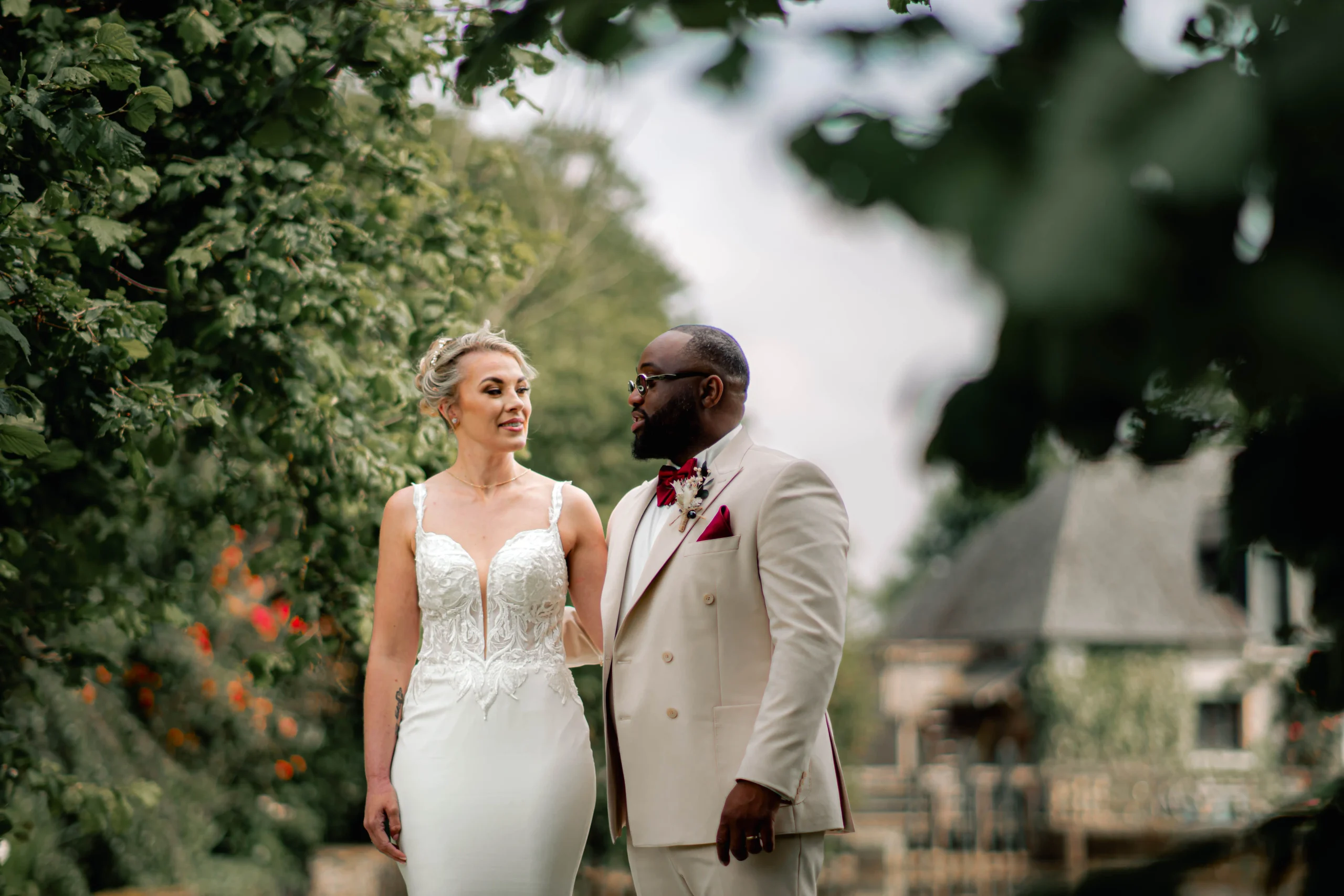
Wedding Day Photography Timeline: Where the Hours Actually Go
Photos don’t happen in one block, and every piece scattered across the day runs longer than couples expect. So how long do wedding photos take? Zola’s wedding photography timeline guide suggests at least two hours of formal portraits in total. That’s about 30 minutes for bridal party portraits, 30 for close family, and 45 for the two of you.
Everything else fits around that: getting ready needs an hour or two for detail shots and quiet moments. The ceremony is often about half an hour, and cocktail hour runs close to an hour. The reception then adds the grand entrance, toasts, first dance, cake cutting, and grand exit.
Family formals are where schedules fall apart. A wedding family photos timeline works best when you cap the list at about fifteen groupings, which Zola suggests too. Every extra cousin combination costs minutes from your own party, and the candid moments between formal shots are usually the ones you’ll frame.
How Many Hours of Wedding Photography Do You Need?
Your wedding photography coverage hours should follow your timeline, not the other way around. Write down the first and last moments you care about, add a cushion at each end, and the number mostly appears.
Is 6 hours of wedding photography enough? It can be, when the ceremony and reception share a venue and you’ll skip getting ready. Is 8 hours of wedding photography enough? For many couples, yes, since eight hours usually covers getting ready, portraits, the ceremony, and the main reception events. Ten hours buys breathing room for two venues, a big wedding party, or full-day coverage from the first zipper to the last sparkler.
Smaller days need less, and an elopement or micro wedding often fits in a couple of hours.
First Look Wedding Photography: What It Does to Your Timeline
First look wedding photography moves more pieces around than any other decision. A first look is a private moment before the ceremony when you see each other in full wedding attire, with the photographer nearby. So how does a first look change the timeline?
In a wedding photography timeline with first look, couple portraits and most formals happen before the ceremony, which frees cocktail hour so you can actually enjoy it. Zola’s sample gives the first look and couple portraits about 45 minutes.
In a wedding photography timeline without first look, the aisle reveal is your first moment together. It’s lovely, but formals move to after the ceremony and eat most of cocktail hour, so pick a ceremony start time with enough light left. Neither choice is wrong, since you’re trading a private moment for an hour with your guests.
Pick a quiet first look location near where you’re getting ready. For ways to make it look as good as it feels, see our wedding photo ideas for Delaware couples.
Sample Wedding Photography Timeline for 6, 8, and 10 Hours
These are examples, not rules, so swap in your own ceremony start time and slide everything to match.
An 8 hour wedding photography timeline with first look
- 1:00 PM: Arrival, detail shots
- 1:30 PM: Getting ready
- 2:45 PM: First look and couple portraits
- 3:30 PM: Wedding party and immediate family photos
- 5:00 PM: Ceremony
- 5:30 PM: Cocktail hour candids
- 6:15 PM: Grand entrance, first dance, toasts
- 7:15 PM: Sunset portraits
- 8:30 PM: Cake cutting and dancing, finish at 9:00
A 6 hour wedding photography timeline without first look
- 3:00 PM: Arrival, ceremony details
- 4:00 PM: Ceremony
- 4:30 PM: Family formals and wedding party portraits
- 5:15 PM: Couple portraits
- 6:00 PM: Reception entrance, toasts, dinner
- 7:30 PM: First dance, cake cutting, dancing until 9:00
A 10 hour wedding photography timeline across two venues
- 11:00 AM: Arrival, details, getting ready
- 1:00 PM: First look and couple portraits
- 2:00 PM: Wedding party and family formals
- 3:15 PM: Travel to the ceremony, with buffer time
- 4:00 PM: Ceremony
- 5:00 PM: Travel to the reception, cocktail hour candids
- 6:00 PM: Grand entrance, first dance, toasts, dinner
- 8:30 PM: Cake cutting and dancing, finish at 9:00
Notice that each one protects a slot for formals. That’s the piece couples squeeze most and regret most.
Golden Hour and Sunset: Plan the Light
Light is the one thing you can’t reschedule. Golden hour wedding photos get that warm, low glow just before sunset, and in Delaware the timing swings hard with the seasons. Summer gives you long, forgiving natural light well into the reception. A winter ceremony can lose its daylight before cocktail hour ends.
So look up your date, since the United States Naval Observatory’s sun and moon data tool lists sunrise, sunset, and civil twilight for your city. Plan a short portrait break about an hour before sunset. If you want a sparkler send-off, check twice, because sparklers need real darkness and that grand exit may set your final hour.
Travel, Venues, and Buffer Time
Delaware is small, but a Wilmington ceremony and a Dover reception are still a real drive. Give travel time its own line on the schedule, and add buffer time too. Zola recommends five-minute cushions all day, and they’re the cheapest insurance you’ll buy. Hair runs long. Shoes go missing. A relative wanders off.
Check venue rules for access times, getting-ready rooms, and flash restrictions. If you have a wedding coordinator, loop them in early, since they usually control the reception timeline and can shift toasts to protect your light. Then write a one-page wedding day schedule for photographer and wedding party alike, and send it to everyone who’s in a photo. Pick one organized relative to gather family, share your shot list early, and mention any family situations, like divorced parents, before the day.
Second Photographer, Arrival Time, and When to Leave
A second photographer changes the shape of your day. The lead can cover one half of the couple or the family formals while the second covers the other half getting ready, or your guests at cocktail hour. Zola notes that second shooters often split up this way, so you get more coverage without more clock time.
Your photographer should arrive shortly before the first thing you want photographed, since the day can’t start until they do. They should stay until the last moment you care about, plus a cushion, whether that’s cake cutting, open dancing, or the grand exit. If the day might run long, ask how overtime is handled before you book.
A few questions to ask:
- What counts as full-day coverage, and which hours does it include?
- Can you match my ceremony start time?
- Is a second photographer available, and what will they cover?
- How is overtime handled?
At Pixiest, coverage is flexible, so tell us your ceremony start time and your venues and we’ll build around them.
Final Thoughts
A good wedding day photography timeline isn’t about squeezing in more photos. It’s about giving the moments you care about enough room to happen. Pick your hours, choose between first look wedding photography and an aisle reveal, protect your formals and your light, and pad everything with buffers.
Ready to plan? Our wedding photography covers weddings across Delaware, with local details on our Newark wedding photography services page. See where we work in Newark, Wilmington, and Dover, then reach out to our team with your ceremony start time.
Frequently Asked Questions
Most couples land somewhere between six and ten hours. Six works when everything happens at one venue and you skip getting ready, eight covers getting ready through the main reception events, and ten gives room for two venues or a long day. Write down the first and last moments you want photographed, then add a cushion at each end.
It usually starts with the photographer arriving, then getting ready, portraits, the ceremony, cocktail hour, and reception moments like the grand entrance, toasts, first dance, and cake cutting. Where the portraits land depends on whether you do a first look. The sample timelines above show 6, 8, and 10 hour versions you can adjust.
Zola’s timeline guide says to plan on at least two hours of formal portraits in total, spread across the day. That’s about 30 minutes for wedding party portraits, 30 for close family, and 45 for couple portraits. Larger families and extra locations add time.
Six hours can be enough for a one-venue wedding when you skip getting ready coverage. Eight hours suits most couples who want getting ready, portraits, the ceremony, and the main reception events. If you have two venues, a big wedding party, or a late exit, ask about ten.
Shortly before the first thing you want photographed, which is usually the details or getting ready. The day can’t start until your photographer arrives, so build that arrival time into the schedule. Add a few extra minutes so the first shots aren’t rushed.
A first look moves couple portraits and most formals before the ceremony, which frees your cocktail hour to spend with guests. Without one, portraits happen after the ceremony and usually take most of the cocktail hour. Neither is better, so pick the one that fits how you want the day to feel.
About 30 minutes is a common estimate for close family formals. Keep the list to roughly fifteen groupings and give your photographer a written shot list. Tell them about any family situations ahead of time so they can plan around them.
Golden hour is the stretch of warm light before sunset, so the exact time depends on your date. Look up sunset for your city, then plan a short couple portrait break about an hour before it. In winter, that can fall before the reception even begins.
Pick the last moment you want photographed, then add a cushion. That might be after cake cutting and the first dance, after some open dancing, or after a sparkler send-off. If the day could run long, ask how overtime works before you book.
Zola suggests five-minute buffers throughout the day, and travel between venues should be its own line on the schedule. Add extra for parking, loading, and traffic. A little padding keeps one small delay from pushing everything back.